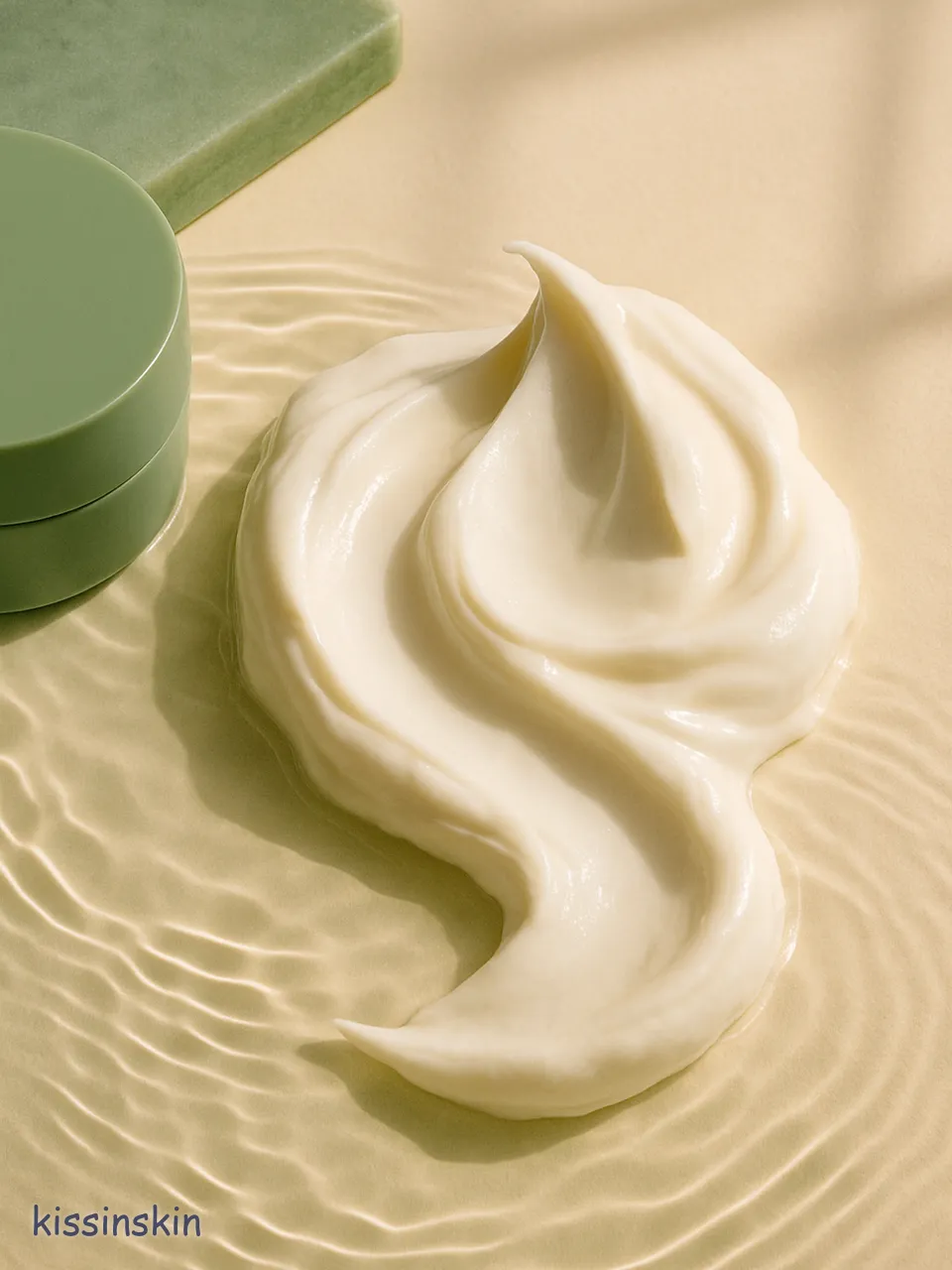
Cooling care is a new skincare category that goes beyond simply providing a refreshing sensation, aiming to measurably lower the skin’s surface temperature. In addition to traditional cooling ingredients like menthol, peppermint, and hyaluronic acid freeze capsules, advanced materials such as micro-polymers utilizing evaporative latent heat, minerals with unique crystal structures, and NASA technology-based phase change materials (PCM) are being introduced.
There is clear data behind this demand. According to the WHO, the average temperature on the Korean Peninsula in 2024 rose by 1.8°C compared to pre-industrial levels, and Seoul experienced more than 80 days where the average summer perceived temperature exceeded 35°C. Research shows that for every 1°C rise in skin temperature, sebum secretion increases by about 10%, making cooling care not just a beauty solution but also a means of preventing skin troubles and aging.
Among Korean brands, Laneige has led the market with its "Cooling Sleeping Mask," while Innisfree launched a cooling toner based on volcanic minerals, and Dr.G released the Green Mild Up Cooling Sunscreen. In the global market, U.S. brand Topicals and Japan’s Curel have introduced cooling lines, following the K-beauty trend.
Consumers should check three things when choosing cooling care products: (1) whether there is data or clinical results showing skin temperature reduction, (2) whether the product relies too heavily on menthol (which can be irritating), and (3) whether moisturizing ingredients are included. It is crucial to distinguish between products that merely feel cool and those that actually lower skin temperature.
The market size is also expanding rapidly. According to the Korea Cosmetic Association, the cooling care category was worth about KRW 420 billion in 2024 and is projected to grow 85% to KRW 780 billion by 2026. Globally, Mintel has named "Cooling Skincare" as one of the top seven global beauty trends for 2026. In Japan, SK-II and KOSE have already launched cooling lines, while in the U.S., Drunk Elephant and Glow Recipe are releasing new products to catch up with the K-beauty trend. Prices range from KRW 18,000 to 50,000 in Korea and $35 to $65 globally, about a 30% premium over regular toners and serums.
From a consumer perspective, effective daily use of cooling care relies on stepwise application: use a cooling toner in the morning to lower skin temperature before applying a light serum, and finish with a cooling sleeping pack at night. After exercise or outdoor activities, carrying a cooling mist can instantly reduce surface temperature and help control sebum. However, products with high menthol content may irritate sensitive skin, so a 24-hour patch test behind the ear is recommended before use. For pregnant women or those with sensitive skin, NASA PCM-based or mineral-based cooling products are safer choices.