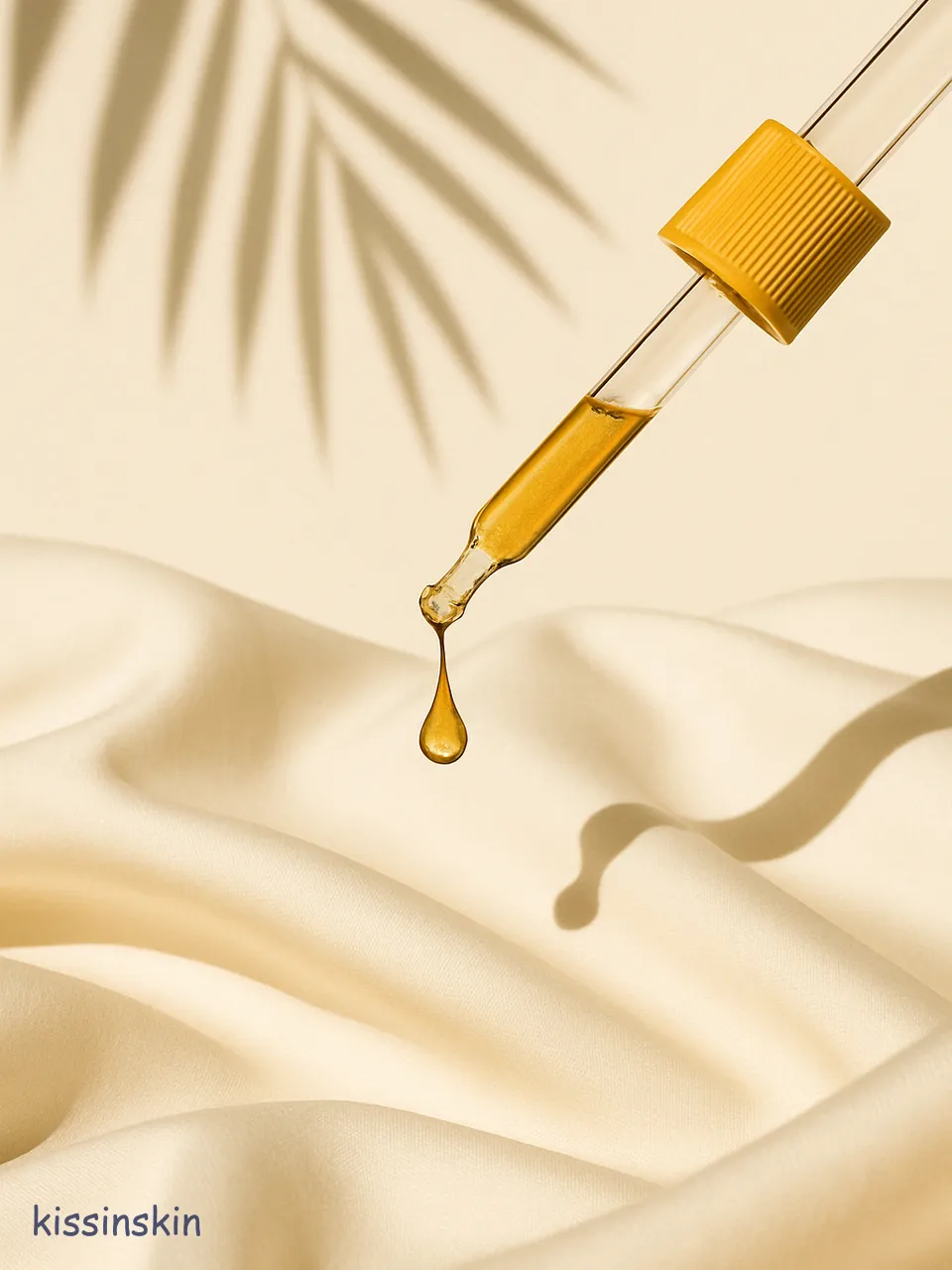
Amino acids are the smallest building blocks of protein, making up about 40% of the skin’s natural moisturizing factor (NMF). Previously overshadowed by 'blockbuster' ingredients like retinol, vitamin C, and peptides, amino acids are being re-evaluated from 2026 as a new key ingredient for anti-aging, hydration, and soothing.
Key active amino acids in skincare include: (1) Glycine — directly involved in collagen synthesis and hydration. (2) Arginine — improves microcirculation and radiance via nitric oxide production. (3) Proline and hydroxyproline — essential for collagen and elastin structure. (4) Cysteine — antioxidant, inhibits melanin production. (5) Alanine — soothes and strengthens the skin barrier.
In terms of ingredient safety, amino acids are highly biocompatible and cause very little irritation. This makes them a major advantage over retinol and AHAs, as they are suitable for pregnant women and sensitive skin. However, visible results take time, requiring consistent use for 8–12 weeks.
Notable new products include Ildong Pharmaceutical’s PRO-AMINO line, Medicube’s 5-Amino Booster, and The Ordinary’s Amino Acids + B5 from the US. Korean prices range from 25,000 to 60,000 KRW, while global luxury lines are priced at $80–$180. Products formulated with peptides or ceramides alongside amino acids generally offer greater synergy than amino acids alone.
Market data shows the amino acid category is among the fastest-growing new ingredient lines. According to Mintel, about 18% of 2025 new launches list amino acids as a core ingredient, a threefold increase from 6% in 2022. In Korea, more women in their 30s and older report switching to amino acids due to irritation from retinol, while in Japan, Shiseido and KOSE have long operated amino acid lines. In the US, The Ordinary and Paula’s Choice are accelerating globalization by lowering entry barriers with accessible pricing.
To effectively incorporate amino acid skincare, a stepwise approach is recommended. Beginners can add an amino acid toner for 4–6 weeks to adapt, then expand to serums or ampoules if results are noticed. For faster effects, use amino acids with vitamin C in the morning and with peptides at night. The biggest advantage is that even pregnant women and those with sensitive skin can use these products safely, but as results take 8–12 weeks, it’s best to focus on long-term skin texture improvement rather than expecting instant radiance.