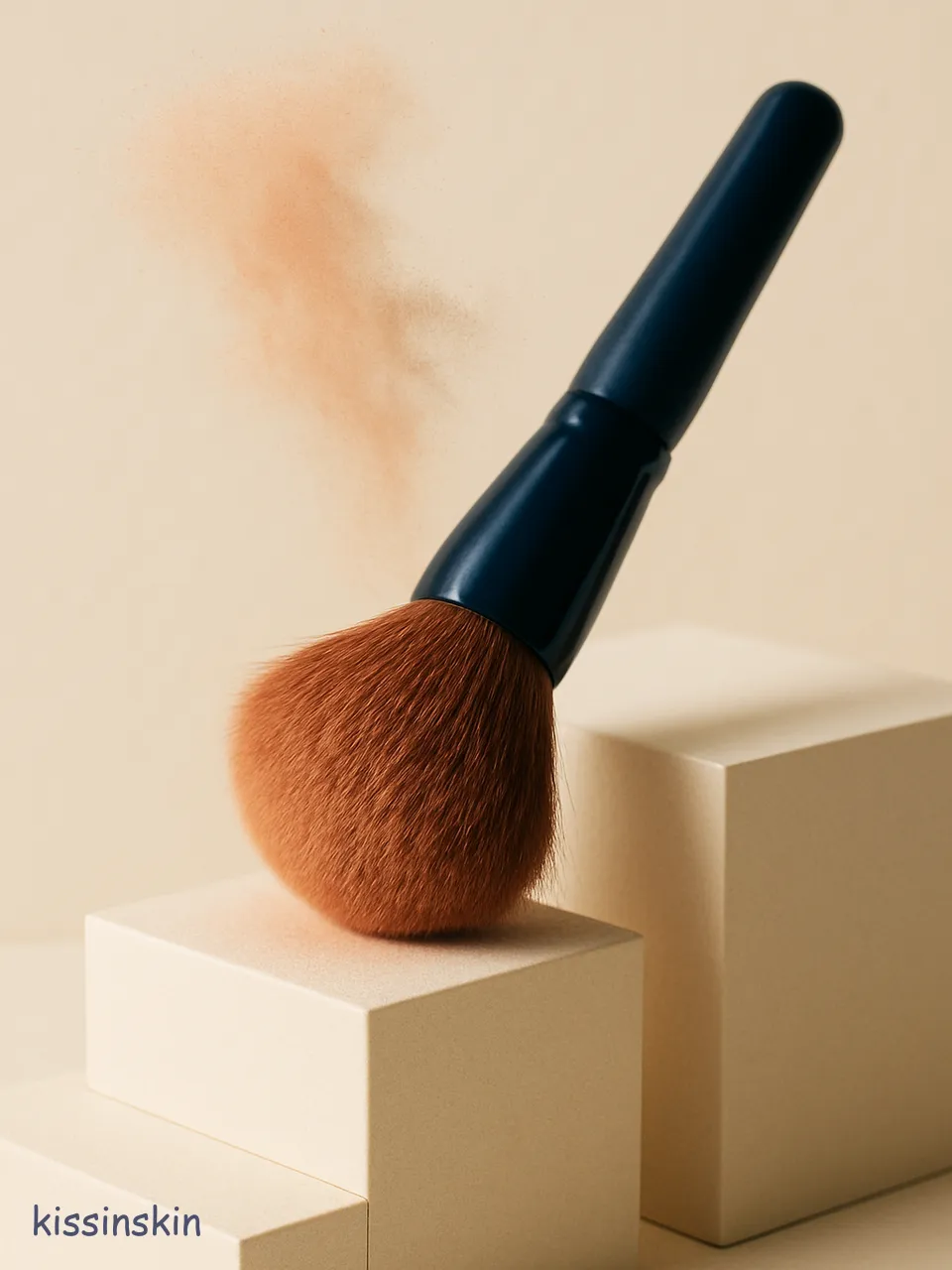
Cooling blush is a new category of cheek makeup that delivers an immediate cooling sensation of -2 to -3°C on the skin when applied. Advanced formulas use menthol, peppermint, and even NASA's PCM (phase change material) technology, originally developed for spacesuits. The focus goes beyond a refreshing feel, aiming to significantly extend makeup longevity.
Here’s how it works: Traditional makeup tends to break down as skin temperature rises and sebum production increases. Cooling blush lowers the skin’s surface temperature to a measurable degree right after application, suppressing sebum and helping makeup stay fresh longer. Clinical data shows it lasts an average of four hours longer than regular blush.
Among Korean brands, Laneige was first to launch the 'Ice Mist Cooling Blush.' Amuse, Clio, and TonyMoly have also introduced cooling blush lines. Globally, brands like Glossier (US) and Cezanne (Japan) are releasing similar products, signaling the worldwide spread of this K-beauty trend.
Market trends show cooling blush is expanding from a single product to a major 'cooling makeup' category. Cooling foundations, mists, and lip balms are launching alongside, and according to the Korea Cosmetics Association, the total cooling category is projected to reach about 850 billion KRW in 2026, a 91% year-on-year growth. Adoption is fastest in hot-climate markets like Japan and Southeast Asia, and sales of K-beauty cooling lines have nearly doubled in hot US regions like California and Texas. Over the next five years, cooling makeup is likely to become a year-round category, not just a summer trend.
For consumers, timing and frequency are key to maximizing cooling blush benefits. For best results, apply five minutes before heading out or whenever your skin feels hot, rather than immediately after makeup. After exercise or outdoor activity, use a cooling mist first to lower surface temperature, then touch up with blush to minimize irritation. Menthol-based products may irritate sensitive skin, so mineral or NASA PCM-based options are safer. Prices range from 22,000–45,000 KRW in Korea and $30–$55 globally.